
Intense Pulsed Light Therapy - IPL
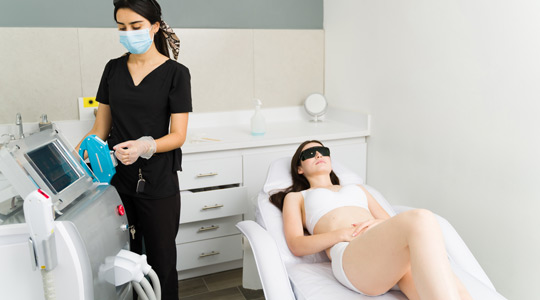
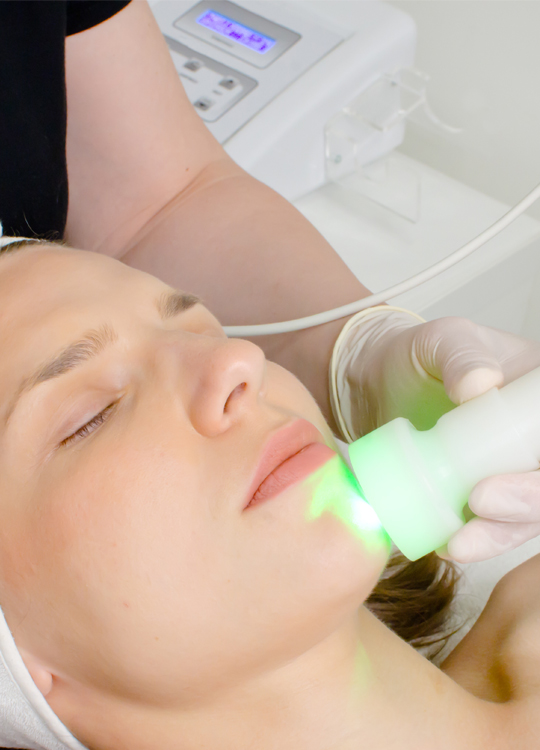
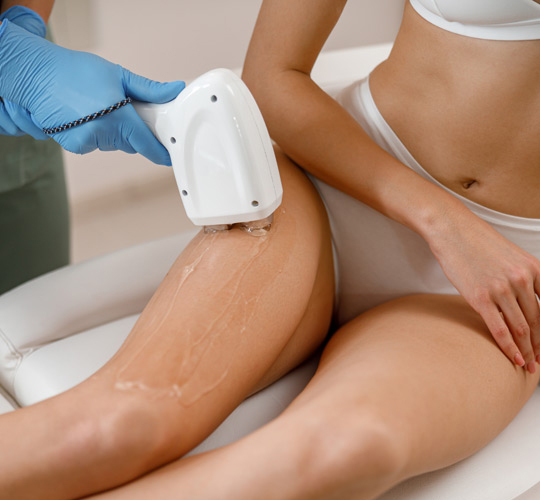
Intense Pulsed Light therapy (IPL) is a non-invasive procedure that uses scattered wavelengths of light to target the deep dermal layer of skin, providing an enhanced natural skin tone that radiates with clarity and smoothness.
What does IPL treat?
-
Discolored Skin
-
Hyperpigmentation
-
Sun spots
-
Rosacea
-
Stretch marks
-
Scars
-
Hair Removal
-
Face
-
Body
-
Veins (Red)
-
Broken blood vessels
-
Spider veins
-
Fine wrinkles
-
Face
-
Body
-
Acne
-
Face
-
Body
Prior to Treatment:
-
Avoid if you:
-
Are pregnant or breastfeeding
-
Have a skin condition
-
Have recently tanned via tanning bed, spray, cream, and/or sun exposure
-
Have severe scarring
-
Hair removal procedures
-
Waxing
-
Laser
-
Get a chemical peel or collagen shot
-
Creams containing glycolic acid and vitamin A (Retinol)
-
Not suited for patients with:
-
Dark skin
-
Light/blonde hair
-
Very uneven skin
-
Raised keloid scars
-
5 days prior to treatment, stop taking or using (if possible):
-
Aspirin
-
Ibuprofen
-
Blood-thinning medications
-
Anti-inflammatory medications
-
Medication that increases sun sensitivity, such as antibiotic doxycycline
Treatment:
-
Topical anesthesia is used to minimize discomfort
-
Cleanse the treatment area
-
Try to avoid wearing makeup, deodorant, perfume, cologne, and/or other scented products
Post-treatment
-
Patients are immediately able to leave and continue their daily routine
-
For effective results:
-
Use:
-
Repair cream
-
Sunscreen
-
Abstain from:
-
Direct sunlight
-
Using hot water (hot tubs or steam rooms) on treated skin
-
Make-up
-
Deodorant
-
Perfume
-
Cologne
-
Other scented products
-
Normal responses to treatment (lasts a few hours to a few days)
IPL Results are:
-
Improves skin tone and texture – IPL photofacial treatment stimulates collagen production, which helps improve skin texture and tone, leaving the skin looking smoother and more youthful.
-
Reduces the appearance of sun damage – Sun damage can cause brown spots, freckles, and other pigmentation issues. IPL photofacial can effectively reduce the appearance of these blemishes, giving your skin a more even and radiant complexion.
-
Reduces signs of aging – The treatment reduces the appearance of fine lines, wrinkles, and age spots, making the skin look more youthful and radiant.
-
Reduces hyperpigmentation –IPL photofacial treatment targets the excess pigment that causes hyperpigmentation, resulting in a more even skin tone.
-
Reduces redness and flushing –The treatment targets the blood vessels that cause redness and flushing, reducing their appearance and leaving the skin looking more even and calm.
-
Reduces the appearance of acne scars and other blemishes –IPL photofacial can also help reduce the appearance of acne scars and other types of blemishes, such as rosacea and hyperpigmentation.
-
Minimal downtime and discomfort –IPL photofacial is a non-invasive treatment that requires little to no downtime. You may experience some redness or swelling immediately after the treatment, but this should subside within a few hours to a day.
-
Quick and easy –The procedure is quick and easy, taking as little as 30 minutes, depending on the size of the area being treated.
-
Safe and effective –IPL photofacial treatment is a safe and effective option for most people, with minimal side effects and a high success rate.
-
Long-lasting results –The results of IPL photofacial treatment can last for several months to a year, depending on the patient’s skin type and the severity of their skin concerns.
How many treatments do I need?
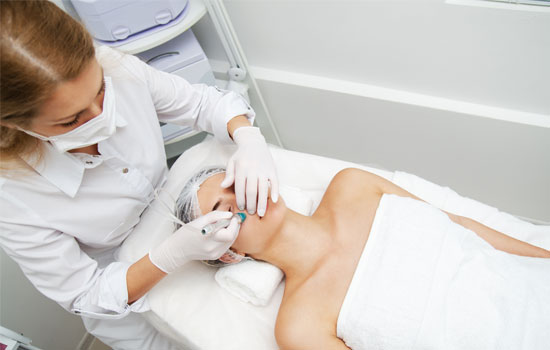
The number of sessions needed to achieve optimal results with IPL photofacials can vary based on individual skin concerns and treatment goals. Typically, a series of three to six sessions, spaced 2-4 weeks apart, are recommended to achieve optimal results. Maintenance sessions may be necessary to sustain the effects.