
Semaglutide/Tirzepatide

Semaglutide/Tirzepatide

How many calories
should you eat on Semaglutide/Tirzepatide?

Your calorie intake should be no more than 1,500 Calories per day, and you should be consuming nearly 100 grams of protein per day. Getting at least 30 minutes of exercise daily for 3-4 days a week can help you attain your weight loss goals over time.

How to Get the Best Results from Semaglutide/Tirzepatide

Tips When Taking Semaglutide/ Tirzepatide Medications for
Weight Loss

What foods to avoid while
taking Semaglutide/
Tirzepatide?

There are no specific foods you must avoid when taking semaglutide. You should avoid regular consumption of the following:
Fried foods and fatty foods, such as fast food, and foods high in sugar tend to be the toughest for your body to digest and the most likely to cause nausea while taking a GLP-1 medication.

What is the difference
between Semaglutide and
Tirzepatide?
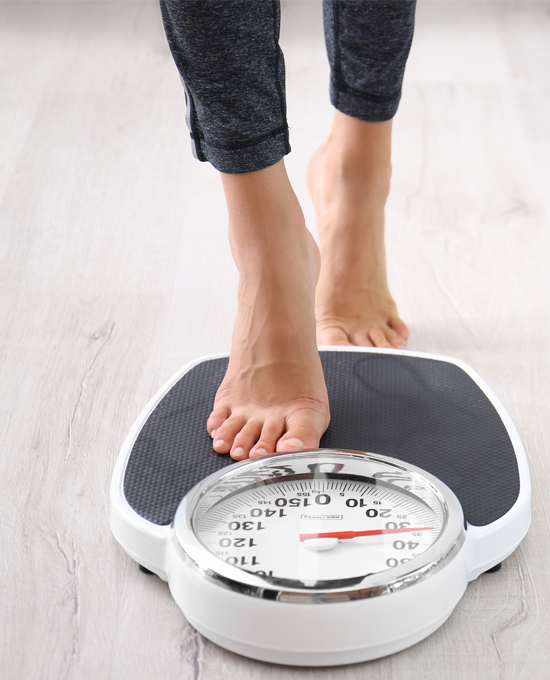
While Tirzepatide and Semaglutide are both used to help patients with type 2 diabetes and obesity with weight loss and improve cardiovascular outcomes as a result of their weight-related conditions, there are some primary differences between the medications.
The primary differences between these medications are that they are 2 different classes of medications and target slightly different areas of the brain.
By targeting both the GIP and GLP-1 receptor agonist, Tirzepatide is the only medication in its class. Tirzepatide works in different ways than Semaglutide by activating both these receptors. On the other hand, Semaglutide only targets the GLP-1 receptor agonist but it has been on the market longer than Tirzepatide with more research and clinical evidence backing it.

Are you a good candidate for Semaglutide/Tirzepatide?

At faces of marco, we evaluate your medical history and any other drugs that you take to ensure you are a good fit for our weight loss program. Everyone’s case is unique. However, generally speaking anyone with the following criteria would be considered for the program:
Candidates who WOULD NOT qualify for the Semaglutide/Tirzepatide:

What side effects can these
medications cause?

Semaglutide/Tirzepatide may cause side effects. Call faces of marco if any of these symptoms are severe or do not go away:
Some side effects can be serious. If you experience any of these symptoms or those listed in the IMPORTANT WARNING section, stop taking Semaglutide/Tirzepatide and call faces of marco immediately:

FAQ on Semaglutide/
Tirzepatide

Yes, semaglutide/tirzepatide can make you tired. Why the medication has this effect in some people is not fully understood. It could be because semaglutide/tirzepatide decreases appetite which leads a person to eat less and therefore get less energy from food.
In one study, 1306 patients taking semaglutide/tirzepatide, 2.4 mg, weight loss of approximately 6% was achieved by week 12 and 12% was achieved by week 28. Our results reflect similar weight loss outcomes within the same period, particularly for patients taking doses of 1.7 mg and 2.4 mg.
Dr. Louis Aronne , director of the Comprehensive Weight Control Center at Weill Cornell Medicine, told “GMA” that rebound weight gain can be common after stopping semaglutide/tirzepatide because the drug is no longer working in the body.
In obese patients with type 2 diabetes and heart failure, the use of once weekly semaglutide/tirzepatide was safe and clinically efficacious, improving health and functional status.
Semaglutide/Tirzepatide is a medication used to control blood sugar levels, and studies show that it also helps those without diabetes to lose weight. However, you will need to ensure you eat well and exercise while taking semaglutide/tirzepatide. Remember, there is no magic potion for losing weight, even with semaglutide/tirzepatide.
Modern-day medical science considers semaglutide/tirzepatide as an effective treatment for obesity without Type-2 Diabetes. Non-diabetics could lose 11.62 kgs or 25.6 pounds with semaglutide/tirzepatide, this weight loss portrays a circumference reduction of 9.6cm while a BMI reduction of 4.33 kg/m2 in multiple studies
As a dose of 0.5 or 1 mg, semaglutide/tirzepatide has a half-life of 7 days; therefore, it would reach steady state in 4-5 weeks. There are few drug interactions and dose adjustments are not necessary. However, like other GLP-1 RAs, semaglutide/tirzepatide can delay gastric emptying and may impact the absorption of oral medications.
If you stop taking Ozempic, the weight you lost will likely return fast. People who ceased use of semaglutide/tirzepatide gained back, on average, a full two-thirds of the weight they had lost on the drug within one year, according to an August 2022 study, the Wall Street Journal reports.
Your blood sugar levels should start to fully decline within the first week after you start using Ozempic (semaglutide/tirzepatide) at your regular maintenance dose. However, the full effects can take 8 weeks or longer, as this is a long-acting medication that is injected only once per week.
No, joint pain is not a side effect of semaglutide/tirzepatide.
Semaglutide/Tirzepatide works by mimicking a gut hormone that causes your pancreas to release insulin, blocks your liver from releasing sugar, and slows down how fast food leaves your stomach.
The clinical significance of elevations in lipase or amylase with semaglutide/tirzepatide is unknown in the absence of other signs and symptoms of pancreatitis. Monitor plasma glucose, HbA1c, renal function, signs/symptoms of pancreatitis, triglycerides, and signs/symptoms of gallbladder disease.
Adverse reactions of semaglutide/tirzepatide include injection site reactions, diarrhea, nausea, vomiting, abdominal pain, headache, fatigue and rarely pancreatitis and thyroid C-cell tumors. This is the first reported case of semaglutide/tirzepatide-induced liver injury. Symptoms and liver tests both improved upon cessation of drug.
Suicidal behavior and ideation have been reported in clinical trials with other weight management products. If used, monitor patients for the emergence or worsening of depression, suicidal thoughts, or behaviors, and/or any unusual changes in mood or behavior.
There is now high-quality evidence to suggest that semaglutide/tirzepatide results in a clinically significant reduction in BP in these trial cohorts, which had a mean baseline BP in the normal range.
No, it does not cause insomnia or difficulty sleeping.

The primary differences between these medications are that they are 2 different classes of medications and target slightly different areas of the brain.

It is very important for you to drink plenty of fluids while taking semaglutide/tirzepatide so that you remain well hydrated. You should drink enough fluid so that your urine is clear to light yellow in color. Drink at least half a gallon of water daily.

Side effects can cause dehydration (loss of fluids). It is important that you drink plenty of fluids to prevent dehydration. This is especially important if you have kidney problems.

Typically, alcohol is not recommended when patients are taking Wegovy® and trying to lose weight. Alcohol provides added calories and lowers inhibitions which may make it harder to maintain a healthy, calorie-reduced eating pattern.

Alcohol may affect blood glucose levels in patients with diabetes. Both hypoglycemia (low blood sugar) and hyperglycemia (high blood sugar) may occur, depending on how much and how often you drink. If your blood sugar is under control while taking semaglutide/tirzepatide, an occasional drink should be fine. Experts recommend one drink for males and two drinks for females. Having more drinks can possibly cause low blood sugar.
There are no specific foods you must avoid when taking semaglutide/tirzepatide. You should avoid regular consumption of foods high in fat, sugar, and calories.
Semaglutide/Tirzepatide was associated with less hunger and food cravings, better control of eating and a lower preference for high‐fat foods. Resting metabolic rate, adjusted for lean body mass, did not differ between treatments.
Semaglutide/Tirzepatide improves body composition by helping patients lose weight and reduce excess fat, including stubborn belly fat. It also increases the proportion of lean body mass. In general, the more weight you lose with semaglutide/tirzepatide, the greater the improvements you’ll see in your overall body composition across all areas.
While taking semaglutide/tirzepatide, some people begin to see results within the first eight weeks, but most begin to see results within 12 weeks. Clinical trials have shown that study participants taking a weekly dose of semaglutide/tirzepatide had an average reduction in body weight of 5-10 percent.
The FDA recommends that the dosage of semaglutide/tirzepatide medication must be increased to its effective level of 2.4 mg during the 16 to 20 weeks of the therapy to include its weight loss benefits and other advantages and to reduce the impact of common side effects like gastrointestinal disorders.
The clinical significance of elevations in lipase or amylase with semaglutide/tirzepatide is unknown in the absence of other signs and symptoms of pancreatitis. Monitor plasma glucose, HbA1c, renal function, signs/symptoms of pancreatitis, triglycerides, and signs/symptoms of gallbladder disease.
Adverse reactions of semaglutide/tirzepatide include injection site reactions, diarrhea, nausea, vomiting, abdominal pain, headache, fatigue and rarely pancreatitis and thyroid C-cell tumors. This is the first reported case of semaglutide/tirzepatide-induced liver injury. Symptoms and liver tests both improved upon cessation of drug.
Suicidal behavior and ideation have been reported in clinical trials with other weight management products. If used, monitor patients for the emergence or worsening of depression, suicidal thoughts, or behaviors, and/or any unusual changes in mood or behavior.
There is now high-quality evidence to suggest that semaglutide/tirzepatide results in a clinically significant reduction in BP in these trial cohorts, which had a mean baseline BP in the normal range.
No, it does not cause insomnia or difficulty sleeping.
Semaglutide/Tirzepatide stimulates neuronal activity in brain areas involved in appetite regulation.

Since licensure, there have been no published case reports of hepatotoxicity due to semaglutide/tirzepatide and the product label does not list liver injury as an adverse event. Thus, liver injury due to semaglutide/tirzepatide must be rare if it occurs at all. 
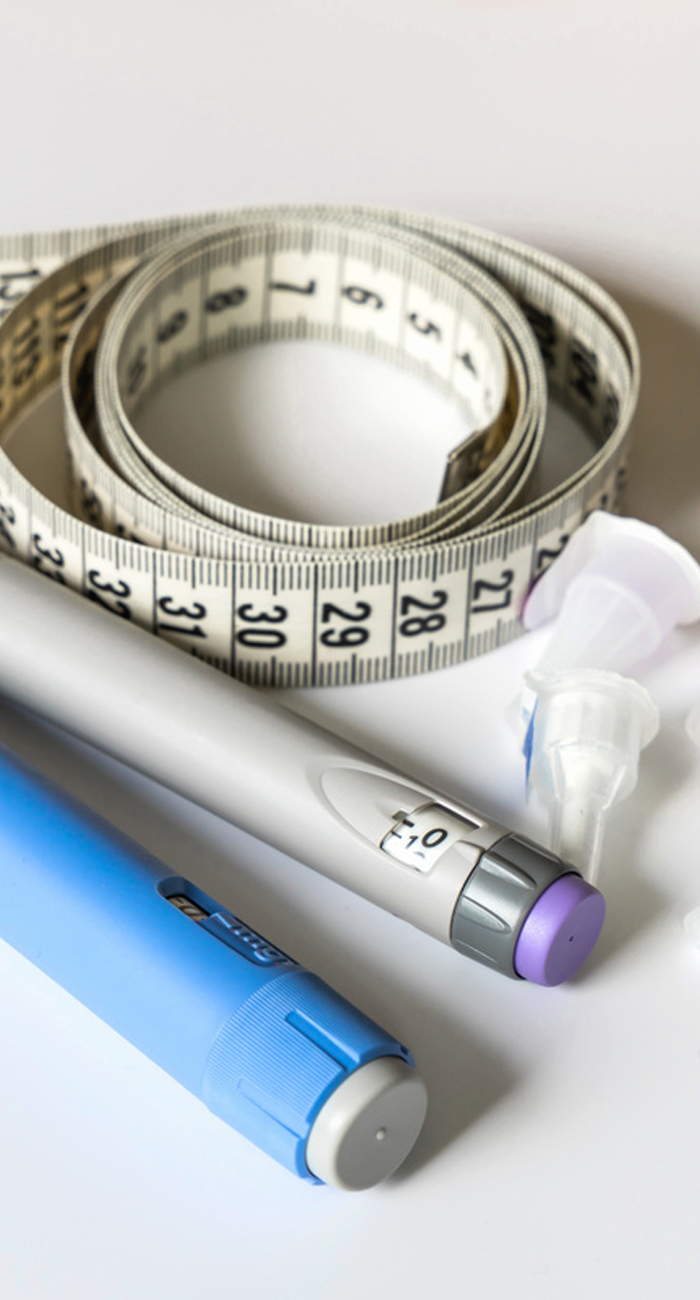
In the patients described, the rapid decline in kidney function was temporally associated with semaglutide/tirzepatide administration in the absence of another cause such as dehydration, hypotension, or use of NSAIDs or other nephrotoxic medications.
Caffeine can also affect the action of semaglutide/tirzepatide by causing low blood sugar levels or dehydration. Make sure you are consuming plenty of fluids throughout the day when taking this medication, and limit caffeine consumption to no more than one cup of coffee per day.
Indeed, some diabetes medications are known to cause weight loss, such as Metformin, Dapagliflozin, Canagliflozin, semaglutide/tirzepatide, and Dulaglutide. Of these, the SGLT2 group of drugs can cause ketosis, which is thought to contribute to the weight loss observed with these classes of medications.