Microdermabrasion
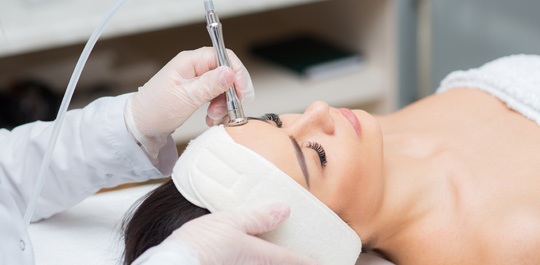
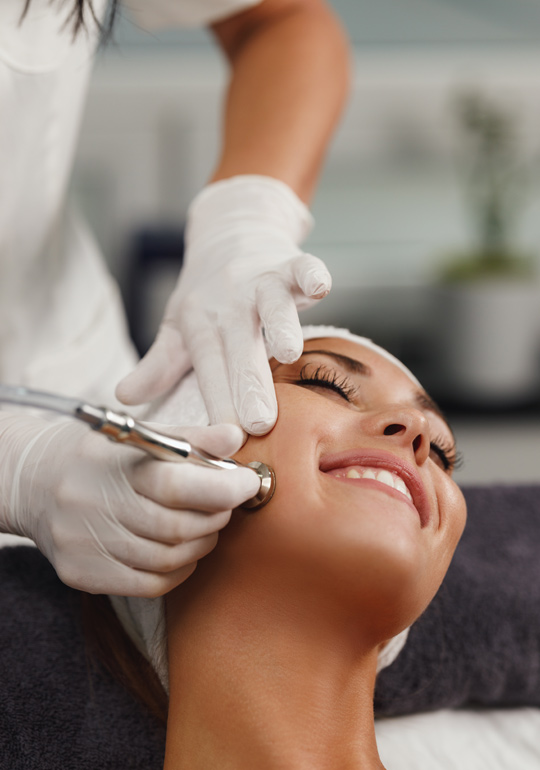
Microdermabrasion is a gentle cosmetic procedure that uses an abrasive applicator to renew dull-looking skin complexion, even-out skin tone and texture, and reduce fine lines and wrinkles. After lightly sanding the skin’s outer layer, the end result is softer and more radiant skin.

What does Microdermabrasion treat?
-
Dull-looking skin complexion
-
Hyperpigmentation, age spots, and brown spots
-
Enlarged pores and blackheads
-
Acne and acne scars
-
Stretch marks
-
Melasma
-
Sun damage
-
Fine lines and wrinkles
Prior to Treatment:
-
Avoid if you have/are:
-
Pregnant or breastfeeding
-
Active/Open:
-
Acne
-
Skin infection
-
Lesions
-
Skin inflammation
-
Cold sores
-
Skin cancer
-
Uncontrolled diabetes
-
Used Accutane in the last 6 months
-
7 days prior to treatment, stop/avoid (if possible):
-
Products that contain glycolic or salicylic acid, benzoyl peroxide, or retinol
-
Chemical peels or other exfoliation treatments
-
Hair removing products/procedures
-
Direct sun exposure
-
Tanning via tanning bed, spray, cream, and/or sun exposure
Treatment:
-
Your skin will be cleansed.
-
A handheld device will be used to gently spray on the particles or sand away the outer layer of skin in the targeted areas.
-
Treatment can take up to an hour.
After Treatment:
-
Patients are usually able to continue their regular routines within a day
-
For effective results:
-
Use:
-
Sunscreen for several weeks
-
Gentle skin care products
-
Moisturizer to minimize dry and flaky skin
-
Abstain from:
-
Topical acne medication for at least one day
-
Direct sun exposure
-
Normal responses to treatment (lasts a few hours to a few days):
-
Tingling sensation
-
Bruising
-
Swelling
Microdermabrasion results are:
-
Glowing and smoothened skin tone.
-
Reduced redness and inflammation.
-
Improved skin discoloration.
-
Reduced pore congestion.
-
Decreased visibility of scarring and acne.
-
Improved appearance of fine lines and wrinkles.
How many treatments do I need?
-
The amount of sessions are based on the individual’s needs and goals.
-
To maintain results, it is best to have a regular scheduled treatment about once every month.